BIOGRAPHY
2025–Present Assistant Professor, Dept. of Geoegraphy, Kongju National University
2024–2025 Postdoctoral Reserach Fellow, Dept. of Geoegraphy, Korea University
2020–2024 Ph.D. in Geography, Korea University, Graduate School
2018–2019 Researcher, Korea Environment Institute (KEI)
2016–2018 M.A. in Geography, Korea University, Graduate School
2010–2016 B.A. in Geography Education, Korea University
1989 Born in Seoul, South Korea
Research
Areas of Interest: Urban Health; Geographic Information Science (GIS); and Spatial Statistics
My expertise lies in urban geography, employing advanced Geographic Information System (GIS) techniques and spatial modeling to explore critical urban health issues. My research focuses on two core areas: (1) Public Health in Urban Geography and (2) GIS and Spatial Modeling, each built on a solid aim to explore health issues in urban areas.
In the field of Public Health in Urban Geography, my current primary focus is on the spread of illicit drugs, with methamphetamine receiving particular attention due to its significant impact on urban communities. Additionally, I am exploring the effect of urban environments on drug distribution patterns and usage trends. Previously, my research included a wider range of infectious diseases, such as COVID-19, Tuberculosis (TB), African Swine Fever (ASF), and Highly Pathogenic Avian Influenza (HPAI), alongside non-communicable diseases like depression in the COVID-19 era and preterm births. These topics were investigated within the urban health framework, emphasizing the complex link between health outcomes and urban characteristics.
My approach in analyzing urban health issues based heavily on the tools of GIS and Spatial Modeling. Initially focusing on spatial analysis and statistics, I’ve recently directed much of my attention towards spatial machine learning and deep learning. Now, my main area of study involves using spatial machine learning and deep learning techniques to navigate the complexities of spatial big data in urban health. Employing this methodology, I aim to elucidate how these intricate interactions influence the spread of illicit drugs within urban contexts. This approach not only deepens my ability to analyze complex spatial datasets but also aids in revealing subtle insights about the dynamics of drug distribution and usage in urban environments.
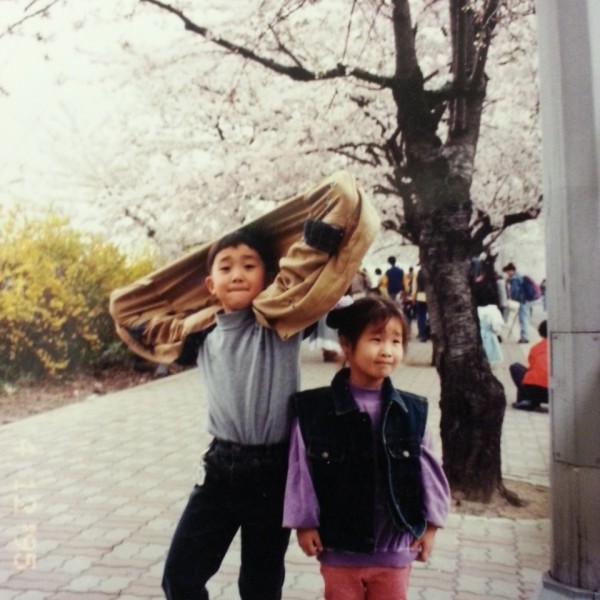
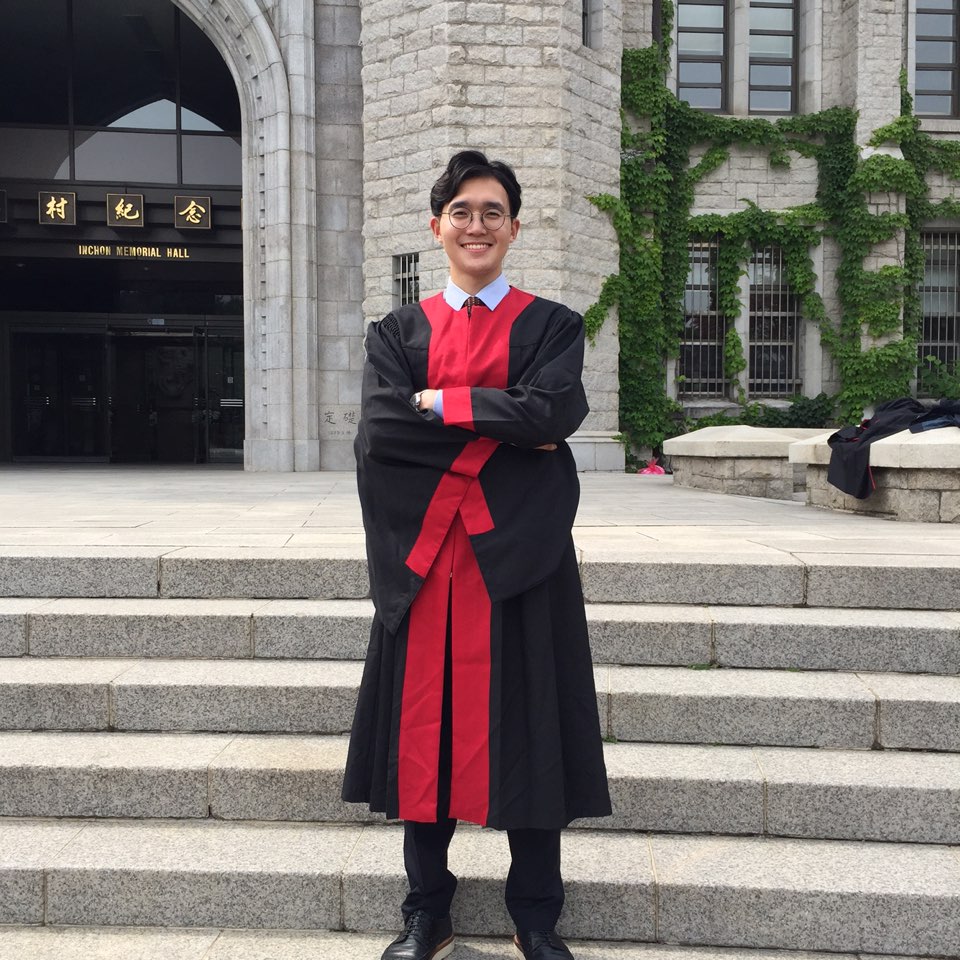

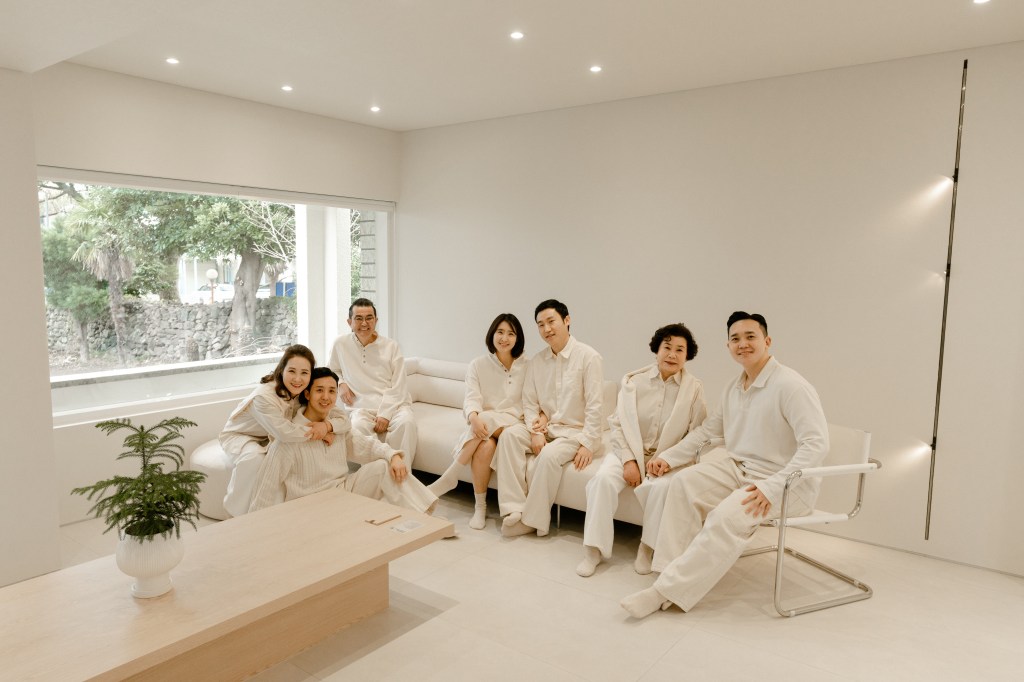
Me and My Family
 Changmin Im - Urban Geographer